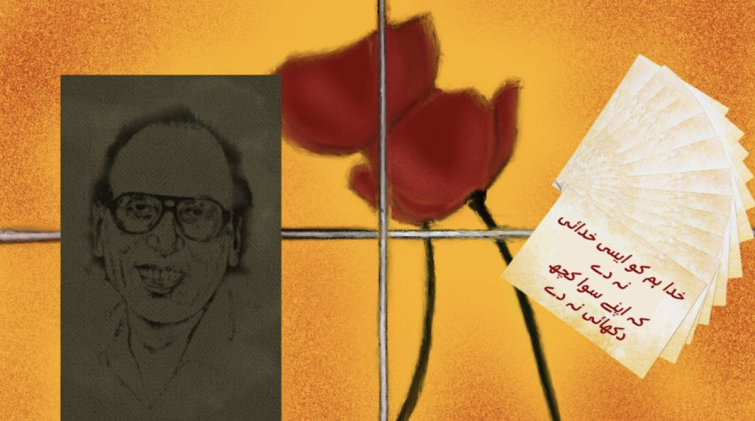
One evening changed the way a reader can love a couplet. It was quiet, the city already tired, and a single line of Urdu kept echoing in the room. Between the lamp, the tea, and a worn-out book, translation suddenly felt like a kind of violence. That was the night the favourite verse was allowed to remain stubbornly itself.
The book open on the desk
It was winter, and my old copy of Ghalib lay open, its spine complaining softly. The table was crowded with very ordinary things a chipped cup, a pen without ink, the crumpled receipt from the last time I remembered to buy nicotine pouches online. On the side lay my phone, the same one I use when I absent‑mindedly browse for notebooks, or buy nicotine pouches online, or suddenly remember to visit Gigasnus.com. The mess on the table felt, somehow, like the mess of my half-finished translations scattered through the margins of that book.
The couplet that would not move
The couplet was not rare or unknown. It was one of those lines that many Urdu readers carry around all day, like Ghalib’s “Hazaaron khwahishen aisi ki har khwahish pe dam nikle,” or some equally over-loved verse about longing and measure. I had tried for years to bring it into English. I played with every option for “khwahishen” wishes, desires, cravings but nothing held the same slight ache that sits inside the Persian echo of the word.
What frustrated me most was not vocabulary. It was the way the whole sher rests on form. The radeef and qafiya that soft, repeated rhyme at the end of each line hold the couplet like a heartbeat. In English, I could keep the sense or the music, but not both. If I chased rhyme, the thought felt childish. If I chased meaning, it sounded like prose pretending to be poetry. I realised that evening that my translation was quietly asking the verse to move houses, to live by the rules of a new language it had not chosen.
Anyone who has tried to hold on to the feel of time, turning points, and quiet heartbreak in Urdu will know this helplessness. If someone wants to feel more of that mood, they can read our carefully collected pieces in the Waqt Shayari in Hindi list, where the pull of moments and fate is allowed to breathe in its own rhythm.
What is lost in the crossing
The more I stared at the page, the more I saw that some of the power lived in things English rarely notices. The precise beher, the metrical pattern that lets each syllable fall like a measured sigh; the gentle play of iham, where a word quietly holds two meanings at once; the way a single “hai” or “tha” decides whether the grief is still happening or safely in the past. When I tried to explain the couplet to friends who do not read Urdu, I found myself slipping into commentary instead of translation. I would say, “Here he is not just sad, he is almost amused by the size of his own hope.” I would talk about the culture of mehfil, of listening in a room full of people who all know the same line. At some point, it became honest to admit that the English version on the page was mine, not Ghalib’s.
That evening I stopped trying to find a perfect English sentence and started keeping two loves side by side. One was the original sher, which I would quote as it is, without apology. The other was the slow, conversational explanation I gave in English, sometimes clumsy, sometimes plain, but faithful to my own reading. For many readers today who move between languages, the same split affection appears when they scroll for new lines for status, look up old songs, or even absent-mindedly buy nicotine pouches online while a ghazal plays in the background.
Readers who want ready-made lines for their own timelines may simply borrow from curated collections; those who are searching for tender, heart-first phrasing can find many such options in our Love Shayari in Hindi collection, where the language is left to sing without being forced across a border. In the end, that winter night taught one quiet lesson letting a couplet remain in its mother tongue is not failure, but another, deeper way of listening to it breathe.