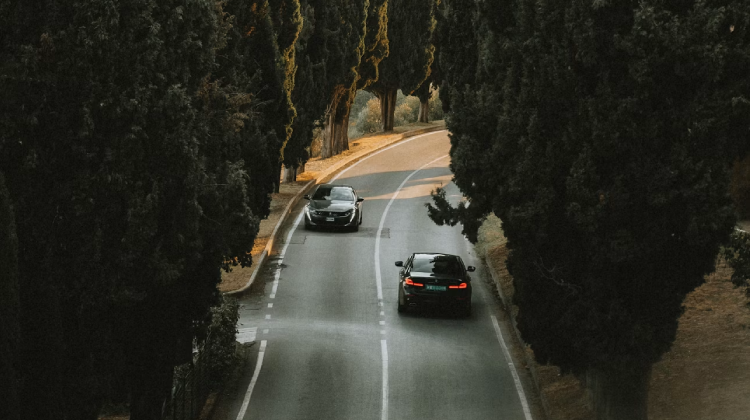
Tuscany does not reveal itself to drivers in a hurry. The region’s provincial roads, known locally as strade provinciali, thread through olive groves and vineyard ridges with almost no straight sections longer than 200 meters. A rental car covering 80 kilometers between Siena and Montalcino can easily take two hours once you factor in tractors, cyclists, and the occasional flock of sheep crossing at a blind bend. Locals treat this pace as normal; visitors who try to match highway speeds usually end up parked on the shoulder, hazard lights flashing, waiting for their nerves to settle.
That mix of patience and calculated risk-taking is oddly familiar to anyone who plays games of skill for stakes. Reading a hairpin turn before committing to a line requires the same instinct as reading odds before a bet – you weigh what you can see against what you cannot, then commit. Plenty of travelers wind down after a long day behind the wheel with an hour at sankra casino, where that same read-the-table sense applies without a guardrail-free drop on the other side of the decision.
Reading Tuscany’s Strada Provinciale Network
Provincial roads in Tuscany are numbered but rarely signed consistently, so GPS apps built for city grids often suggest routes that dead-end at a farm gate. The SP roads connecting Val d’Orcia to Chianti were largely paved in the 1960s over old cart tracks, which explains why curve radii stay tight even where modern engineering would have widened them. A driver who studies the route the night before, marking the three or four towns that anchor the drive, arrives calmer than one relying purely on turn-by-turn prompts that update mid-curve.
Gearing Down Before the Hairpins
Second gear, not brakes, is what actually controls speed on a 12% descent into a valley town like Pienza. Riding the brakes on a six-kilometer downhill stretch overheats pads within twenty minutes, a failure mode Italian mechanics see every August from rental cars driven by tourists unfamiliar with engine braking. Shifting down before the apex, rather than during it, keeps the car settled and the driver’s hands free to correct the line rather than fight understeer.
Bold Decisions: When Overtaking Actually Pays Off
Overtaking a tractor on a two-lane strada provinciale is the single most consequential decision most visitors make on Tuscan roads, and it deserves the same discipline as any high-stakes call. The rule locals follow is simple: only pass where you can see at least 150 meters of clear road and a marked passing zone, never on the outside of a blind curve regardless of how slow the vehicle ahead is moving. Waiting ninety seconds for a straight stretch costs almost nothing; misjudging a gap on a crest costs everything.
Bold does not mean reckless here – it means acting decisively once the information actually supports it, the same distinction that separates a confident player from a careless one. Drivers who treat every stretch as an emergency end up making worse calls than those who accept a slower average speed in exchange for genuinely safe windows to act.
Choosing Your Route: Chianti vs. Val d’Orcia
While navigating challenging international backroads calls for a hands-on approach, managing long-distance vehicle relocations back home—such as arranging Oklahoma Car Shipping is often best handled by professionals to avoid unnecessary wear and strain.
| Route | Typical Length | Curve Density | Best Time to Drive |
| Chianti backroads (Radda–Panzano) | 22 km | High, forested | Early morning |
| Val d’Orcia ridge (Pienza–Montalcino) | 35 km | Moderate, open | Late afternoon |
| Crete Senesi loop | 48 km | Low, sweeping | Midday |
Neither route punishes a cautious driver, but both punish an inattentive one, which is why locals still slow down on roads they have driven for decades.
Chianti Backroads
The SR222, known as the Chiantigiana, is the region’s spine, but the smaller SP roads branching off it offer the real reward – narrower, quieter, and largely free of tour buses. Forest cover means shadows shift constantly across the road surface, which can mask a tightening curve until the last moment.
Farmhouses along these backroads often sell wine directly from the cellar, and stopping at two or three in a single afternoon turns a driving route into something closer to a walking pace by mid-afternoon. That slower rhythm is exactly what the roads are built for. Many of these family cellars have poured wine for the same handful of villages for three or four generations, and a five-minute tasting often turns into a half-hour conversation about which curve up the hill claimed the most bumpers this year.
Val d’Orcia Ridges
Here the danger is complacency, not blind corners. Long straight sections lull drivers into higher speeds right before a sudden switchback drops toward a river valley, a pattern that catches out even experienced Italian drivers unfamiliar with the specific stretch. Wind gusts crossing the exposed ridgeline add another variable rarely mentioned in guidebooks.
The payoff matches the risk: unbroken views toward Monte Amiata and, in late spring, fields of poppies bright enough to justify pulling into every third scenic layby. Drivers who budget extra time for these stops consistently rate the Val d’Orcia stretch as the highlight of a Tuscan road trip.