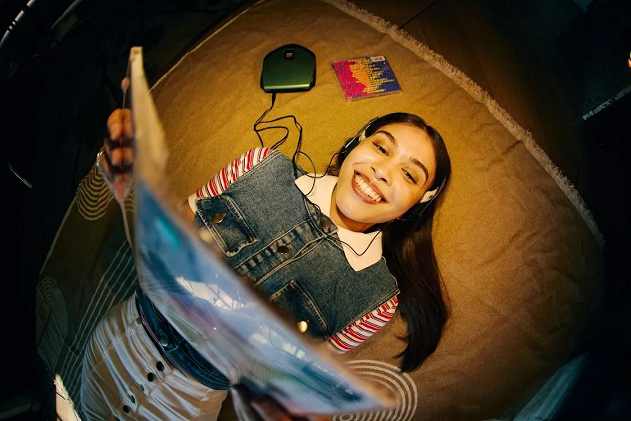
Gen Z is often described as the first fully digital generation. They grew up with phones, feeds, streaming, cloud storage, and instant access to music, films, games, books, and images. Yet many young consumers are now buying vinyl records, printed books, film cameras, discs, posters, magazines, and other physical formats. This is not a rejection of digital life. It is a reaction to its limits.
The return of physical media shows that access is not the same as attachment. A song in a playlist, a film in a streaming library, or a photo in cloud storage can be convenient but easy to forget. Gen Z lives in a media environment where a fashion video, a music clip, a scanned magazine cover, and a phrase like chiken road app can all appear in the same feed, so physical objects help create boundaries, memory, and ownership.
Digital Access Created Digital Fatigue
Digital media solved many problems. It removed storage limits, lowered costs, and made culture searchable. A person can find an album, film, book, tutorial, or game within seconds. For Gen Z, this access is normal.
But abundance creates fatigue. When everything is available, nothing always feels important. Music can become background sound. Films can become thumbnails. Photos can become files that are never opened. Digital media is easy to consume, but it is also easy to skip, replace, or lose in a feed.
Physical media slows this process. A record, book, disc, print, or camera roll asks for more intention. The user must select it, hold it, store it, and return to it. That effort gives the object meaning. Gen Z is not only buying media; they are buying a way to pay attention.
Ownership Matters When Access Feels Unstable
One reason physical media is returning is the instability of digital access. Streaming libraries change. Licenses expire. Platforms remove content. Accounts can be closed. Algorithms can hide posts. Files can be lost behind passwords, formats, or deleted apps.
Gen Z has learned that digital access can disappear without warning. A favorite show, song version, creator post, or photo archive may not remain where it was. This makes ownership valuable again.
Physical media offers control. A book on a shelf does not vanish because a platform changes terms. A disc does not depend on a subscription. A record does not need an algorithm to recommend it. The owner can return to the object without asking permission from a service.
This does not mean physical media is more practical. Often it is less practical. But it gives a sense of permanence that digital systems often fail to provide.
Physical Media as Identity Display
Gen Z also uses physical media as identity display. A shelf of books, a crate of records, a wall of posters, a stack of magazines, or a collection of camera prints shows taste in a visible way. Digital libraries are private and endless. Physical collections are limited and readable.
This matters in a culture where identity is often performed online. A physical collection can be photographed, filmed, arranged, and shared. It becomes both object and content. A record is not only listened to; it can appear in a room tour. A book is not only read; it can signal taste in a video. A film camera is not only used; it can represent an approach to memory.
For Gen Z, physical media often works through this double role. It gives personal pleasure offline, but it can also become part of online self-presentation. The object exists in the room and in the feed.
The Appeal of Ritual
Digital media is fast. Physical media is slower. That slowness is part of the appeal. Playing a record, loading a disc, developing film, annotating a book, or arranging a photo album creates ritual.
Ritual gives media a beginning and an end. A playlist can run endlessly, but a record has sides. A feed can scroll forever, but a book has pages. A cloud gallery can contain thousands of images, but a printed photo album has limits.
These limits help people focus. Gen Z lives inside systems designed for constant movement, so controlled friction can feel useful. Physical media interrupts the endless scroll. It turns consumption into an activity.
This is why physical media often appears in spaces linked to calm, taste, or routine: bedrooms, desks, shelves, reading corners, and listening setups. The object helps define the moment.
Nostalgia Without First-Hand Memory
Some Gen Z interest in physical media looks nostalgic, but it is a different kind of nostalgia. Many young people did not grow up using vinyl as the main music format or discs as the only way to watch films. Their nostalgia is partly inherited, partly aesthetic, and partly constructed through media.
They are drawn to the look, sound, texture, and symbolism of older formats. A film photo suggests imperfection and presence. A record suggests commitment to an album. A printed magazine suggests editorial taste. A disc case suggests a media object with boundaries.
This is not fake nostalgia. It is a way of using the past to solve problems in the present. Older formats offer contrast to digital speed. They help Gen Z imagine a relationship with media that is less disposable.
Community and Collecting
Physical media also creates community. Record stores, book clubs, markets, zine fairs, camera groups, collector forums, and fan spaces give people a reason to gather around objects. Digital media can connect people quickly, but physical media can create deeper rituals of exchange.
Collecting also gives structure to fandom. A fan may stream an artist every day, but buying a record or printed edition turns that attachment into something visible. A film fan may watch online, but owning a disc with artwork or extra material can feel like a stronger commitment.
For Gen Z, collecting does not always mean owning everything. It often means choosing a few objects that matter. In a world of unlimited access, selection becomes a form of taste.
The Limits of the Physical Revival
The return of physical media has limits. Physical formats cost money, require space, and are not always easy to use. Many young people still rely on streaming and digital files for daily convenience. Physical media is not replacing digital media at scale.
Instead, it is becoming a premium layer of meaning. Digital access serves speed and range. Physical ownership serves memory, identity, and attachment. Gen Z moves between both systems depending on the need.
Conclusion: Physical Media Gives Shape to Digital Life
Gen Z is bringing back physical media because digital life is convenient but unstable, abundant but forgettable, personal but often invisible. Physical objects give media weight. They create ritual, ownership, memory, and identity.
This shift does not mean young audiences are abandoning technology. It means they are looking for balance. They still use feeds, streaming, cloud libraries, and algorithms, but they also want objects that stay put.
In a digital world, physical media offers something rare: a clear boundary. It says this song, this book, this film, this photo, or this moment matters enough to hold.